Ethics in Sales
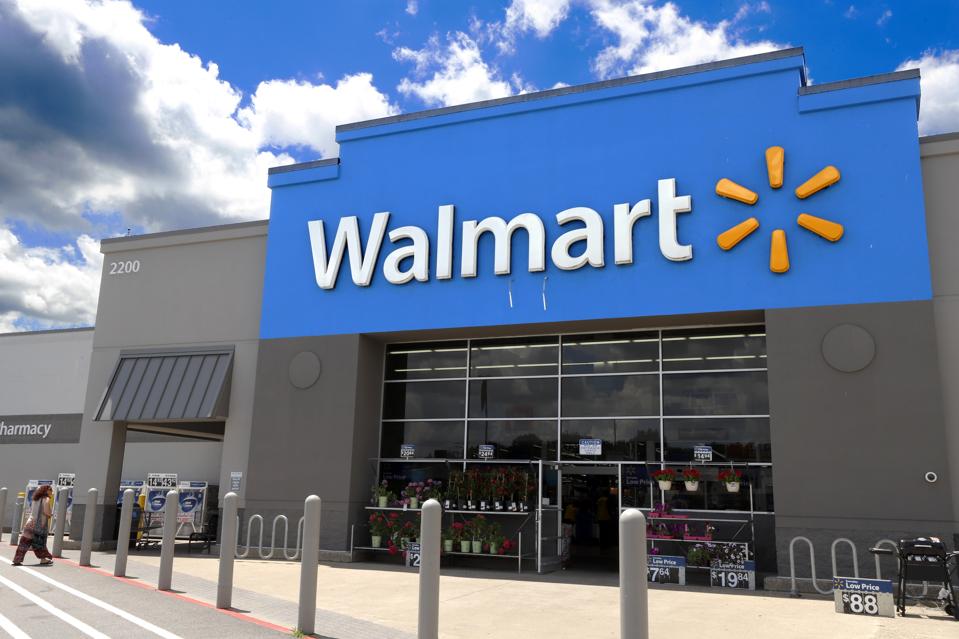
Walmart recently announced that it would raise the minimum age to purchase tobacco products at its stores across the United States, effective July 1.
 Walmart recently announced that it would raise the minimum age to purchase tobacco products at its stores across the United States, effective July 1.
The ethics of sales involves many different issues, including what you sell, who you sell it to, the price you sell it at, and the information you provide in the process.
But this Walmart story highlights another key aspect of the topic known casually as ‘the ethics of sales.’ And that’s the fact that the ethics of sales isn’t just about the behavior of sales professionals. Of course, the behavior of sales professionals — from the helpful 19-year-old on the floor at Best Buy, to the person who sold you that shiny new SUV, to the big pharma sales rep visiting physicians’ offices to promote the latest antidepressant — is crucially important. But not every company has ‘salespeople’ in that sense of the term, and not all sales work is done by people with the word “sales” in their job title or description.
The Walmart story is a case in point. The key ethical sales decision in this case was one made by not by salespeople, as such, but by head office — it was a policy decision. The relationship between corporate policy and front-line decision-making is, of course, complex. Sometimes head office has the right idea, ethically, but has trouble incentive's salespeople properly. In other cases, head office may have an ‘anything goes’ attitude, and customers have to rely on the basic decency and humanity of the sales staff to protect them.
And in some cases, even professional sales staff won’t have the knowledge and skills required to do what is best for customers. Recall the 2012 case of the California insurance agent who got in serious trouble (lost his license, got it back) for selling a complex policy to an elderly woman with borderline dementia. Insurance agents know lots of things, but how to assess cognitive capacity may not be one of them.

The Walmart case also raises the role of customer-facing employees a few steps farther down the professionalism scale than licensed, highly-educated insurance agents, namely the checkout cashiers taking home pay at-or-near the minimum wage level. One account of Walmart’s decision notes that the company will be sending ‘secret shoppers’ to Walmart stores — presumably, underage individuals who will attempt to buy cigarettes. Cashiers who fail the test may be disciplined or fired. Two things need to be said about that: first is that those cashiers are among Walmart’s more vulnerable employees. I hope they receive training that makes it at least somewhat fair to put the pressure on them. The other point is that this story illustrates how ethics in sales needs a top-to-bottom approach. Selling ethically requires the right top-end policies, the right mid-level sales professionals, and the right training for the front-line folks interacting directly with customers.


beautifully written!!
ReplyDeleteGood work
ReplyDelete